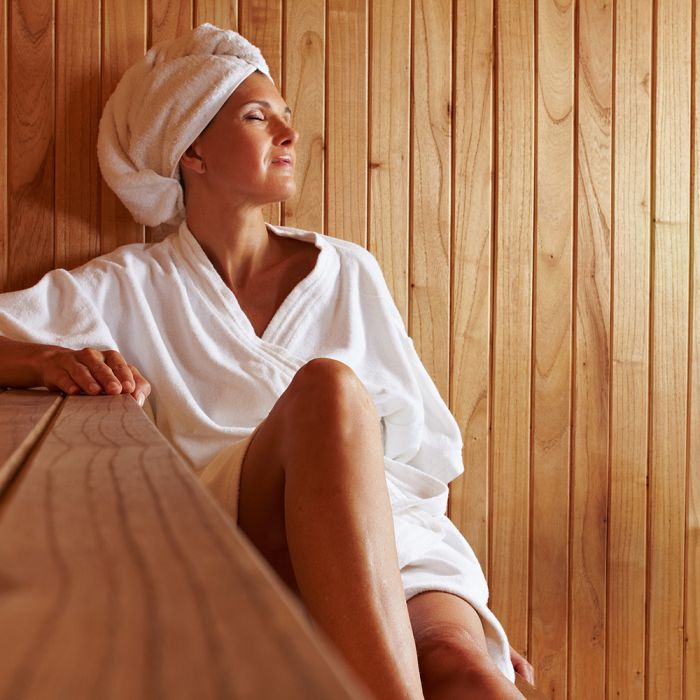



The world is loud. Heat helps you get quiet.
If you’ve ever stepped out of a sauna feeling calmer, lighter, or more grounded, that response is not just “a vibe.” Heat changes circulation, heart rate, body temperature, and recovery signals that shape how the body responds to stress. Research suggests sauna may support relaxation, sleep, and overall well-being when used consistently and safely.
At SoulSpace, we think of sauna as a supportive wellness practice for people in Cleveland who want a calmer routine, a better way to unwind, and a more intentional approach to recovery. It is not a replacement for therapy, medication, or medical care. It is one tool that may help you feel more rested, more regulated, and more connected to your body.
Key Takeaways
- Sauna may support stress relief, relaxation, sleep, and overall well-being.
- Heat affects circulation, heart rate, and the body’s recovery response.
- Some clinical heat studies have shown encouraging results for mood support.
- A moderate, repeatable routine is usually more helpful than an extreme one.
How Heat Supports Stress Recovery
Sauna does not directly “fix” mood. What it can do is influence body systems that shape how you feel.
When your body heats up, it responds with a coordinated set of changes: heart rate rises, blood vessels dilate, sweating increases, and the body begins working to cool itself. That heat-and-recovery cycle is one reason sauna can feel both energizing and calming.
Many people experience sauna as a structured form of recovery: a short, controlled physical challenge followed by rest, hydration, and cooling down. Over time, that pattern can become a supportive ritual for managing daily stress.
What Happens During a Sauna Session?
During a sauna session, your heart rate usually increases and your blood vessels widen as the body moves heat toward the skin. Sweating is part of that cooling response. In simple terms, sauna is not just about sweating. It is a whole-body experience that may influence how you unwind and recover.
6 Ways Sauna May Support Relaxation, Mood, and Sleep
1. Stress Relief: Less Noise, More Downshift
One of the most common reasons people use sauna is simple: they feel calmer afterward. In the Global Sauna Survey, relaxation and stress reduction were among the leading reasons people reported using sauna, and many respondents also reported sleep benefits after sauna use. Read the Global Sauna Survey.
For many people in Cleveland, that is the real appeal. Sauna creates a repeatable pause in the day. No notifications. No multitasking. Just heat, breath, stillness, and recovery.
2. Nervous System Support
A lot of stress is not just mental. Sometimes the body is still acting like the emergency is happening even when the workday is over.
Sauna may help by creating a short stressor followed by a recovery period. Research has found that a single sauna exposure can influence heart rate variability, or HRV, which is one marker related to how the body shifts between activation and recovery. Read the HRV recovery study.
Instead of trying to force calm, you give the body an experience that ends in cooling down, sitting still, hydrating, and settling. For many people, that sequence feels more tangible than abstract advice to relax.
3. Mood Support and the Post-Sauna Afterglow
Many people report feeling clearer, lighter, or more at ease after sauna. Some of that may be related to changes in circulation, body temperature, and endocrine responses during and after heat exposure. Reviews of sauna physiology note that beta-endorphin, a feel-good chemical involved in pain relief and well-being, often increases during sauna bathing. Read the endocrine review.
That does not mean sauna is a treatment for a mood disorder. It does mean that, for some people, it can support a noticeable shift in how they feel, especially when it is paired with hydration, rest, and consistency.
4. What Heat-Based Depression Research Does — and Does Not — Show
Research on heat and mood is promising, but it is important to distinguish between clinical heat protocols and a standard wellness sauna session.
A randomized clinical trial published in JAMA Psychiatry found that a single session of controlled whole-body heat exposure produced a significant antidepressant effect compared with a sham treatment. That is an important finding, but it studied a medical-style intervention, not a standard wellness sauna session. Read the JAMA Psychiatry study.
The fair takeaway is that heat affects mood-related physiology and deserves serious scientific attention. It does not mean that sauna should be presented as a treatment for depression or a replacement for evidence-based mental health care.
5. Sleep Support: Heat First, Then Cooling
Sleep is partly a temperature story.
Research on passive body heating suggests that warming the body about one to two hours before bedtime may help people fall asleep faster, likely because of the cooling response that follows. A meta-analysis in Sleep Medicine Reviews found improved sleep outcomes and shorter sleep onset latency when passive heating was timed appropriately before bed. Read the sleep meta-analysis.
Sauna may work similarly for some people when sessions are moderate and followed by time to cool down and rehydrate. That is why sauna often works best as an early-evening ritual rather than something rushed right before bed.
6. Why Ritual Matters
Not every wellness benefit needs to feel dramatic to be valuable.
One underrated part of sauna is the ritual itself: stepping away, slowing down, breathing differently, and doing one thing at a time. For people who spend most of the day overstimulated, the structure of sauna may be part of what makes it so useful. Even when the science focuses on physiology, the lived experience often comes down to this: it helps people build a more consistent recovery rhythm.
A Simple Sauna Routine for Beginners
If your goal is stress relief and overall well-being, the win is consistency, not intensity.
Many people begin with 10 to 15 minutes, 1 to 2 times per week, then adjust based on comfort and recovery.
Beginner Reset
Start with 10 to 15 minutes in the sauna. Step out, sit quietly, cool down gradually, and hydrate for about 5 minutes. Begin with 1 to 2 rounds depending on how you feel.
Once You Are Comfortable
Move to 15 to 20 minutes in the sauna, followed by a cool-down and hydration break. Many people prefer 2 rounds, sometimes 3, as long as the session still feels grounding rather than draining.
A Few Practical Tips
- For sleep, try sauna in the earlier evening and allow time for your body to cool down before bed.
- For stress relief, keep the session moderate and focus on slow breathing instead of trying to push through discomfort.
- Hydration is part of the routine, not an afterthought.
Sauna Safety: Restorative, Not Extreme
Sauna should feel supportive, not like an endurance contest.
Basic sauna safety includes avoiding alcohol, keeping sessions to a reasonable length, cooling down gradually afterward, and drinking water to replace fluid loss. Harvard Health also recommends skipping sauna when you are ill and leaving immediately if you feel dizzy, lightheaded, or unwell. Read Harvard Health’s sauna safety guidance.
Use extra caution or check with a clinician before sauna if you:
- have cardiovascular disease
- have blood pressure concerns
- have a history of fainting
- are pregnant
- are already dehydrated, ill, or overheated
This article is for educational purposes only and is not medical advice. If you are dealing with severe anxiety, depression, panic, or sleep problems that are interfering with daily life, it is important to talk with a qualified healthcare professional.
Why Sauna Has Become a Go-To Reset for Many in Cleveland
A lot of people are not looking for another productivity hack. They want a way to slow down, get out of their heads, and feel physically restored.
That is where sauna fits so well. It offers a simple rhythm of heat, breath, cool-down, and rest. For some people, that becomes part of a weekly self-care routine. For others, it is a supportive way to transition out of work mode and back into their body.
Experience Sauna at SoulSpace
At SoulSpace, sauna is part of a restorative wellness experience in Cleveland—one designed to support relaxation, recovery, and intentional self-care. Whether you are looking for a one-time reset with a Day Pass or want to make sauna part of your regular rhythm through a monthly membership, we invite you to choose the option that supports your routine best.
FAQs About Sauna, Stress Relief, and Sleep
Can sauna help with stress?
Sauna may help some people feel calmer by supporting relaxation, recovery, and better sleep. It is best understood as a supportive wellness practice rather than a treatment for a mental health condition.
Can sauna improve sleep?
Research on passive body heating suggests that warming the body one to two hours before bedtime can help some people fall asleep faster, likely because of the body’s cooling response afterward.
Does sauna release endorphins?
Some sauna research has discussed endocrine changes, including frequently observed increases in beta-endorphin during sauna bathing, which may help explain the relaxed or uplifted feeling some people notice afterward.
Can sauna replace therapy or medication?
No. Sauna may support overall well-being, relaxation, and recovery, but it is not a replacement for therapy, medication, or guidance from a licensed clinician.
How often should I use a sauna?
There is no universal perfect dose. A sustainable routine is usually better than an extreme one. Many people start with a couple of sessions per week and adjust based on how they feel and how well they recover.
How to Begin
The most powerful part of sauna is not more heat. It is the pattern: heat, cool-down, and recovery. Repeated over time, that structure can become a practical way to support stress relief, better sleep, and a stronger sense of calm. In a world that keeps asking your body to stay switched on, sauna can be one way to practice slowing down.